Gifts for Cosplay Armor Makers
From across the hall you see a suit of armor. Up close they can show you the seam they redid three times. Ask about that seam. It is often where the most interesting part of the costume lives. These gifts for cosplay armor makers follow a build from flat EVA foam to painted armor.
See also: Anime fans Star Wars fans Marvel fans Sewing and quilting Leather wallet makers

Before you buy
- Foam thickness matters: thin foam (2mm) is for details, 5mm for most armor, and 10mm for chunky pieces and weapons.
- Ask what convention or character is next. A deadline makes supplies more welcome than another tool.
- Contact cement and spray primer have strong fumes. Safety gear is a thoughtful gift, not a boring one.
No gifts match. Try another search or increase your budget.
If you buy one thing
-
Dremel 4300 Rotary Tool Kit with Flex Shaft
Sands seams smooth, carves battle damage and engraves details, and the flex shaft holds like a pen for fine work. Ask which tools already have a place on their bench before adding it.
Budget: Splurge $100+ See it on Amazon: Dremel 4300 Rotary Tool Kit with Flex Shaft (opens in a new tab)
Foam and plastic 5 ideas
The raw material, in the three thicknesses most builds use.
-
The Foamory Black EVA Foam Sheet, 2mm
Thin, dense foam for trim, rivets, layered details and anything that needs to look sharp up close.
-
MEARCOOH EVA Foam Black, 5mm
The everyday thickness for chest plates, gauntlets and shin guards. A long sheet covers a full arm or leg piece without seams.
Budget: Under $25 See it on Amazon: MEARCOOH EVA Foam Black, 5mm (opens in a new tab) -
MEARCOOH EVA Foam Black, 10mm
Thick foam for chunky shoulder pieces, shields and big prop weapons. It carves like wood and holds a crisp bevel.
Budget: Under $25 See it on Amazon: MEARCOOH EVA Foam Black, 10mm (opens in a new tab) -
The Foamory Black Cosplay Foam Clay, 900g
A soft clay that dries into foam. It fills gaps and sculpts gems, horns and details that are hard to cut from sheets.
-
Worbla 3 Pack Combo Thermoplastic Sheets
A plastic that turns soft and sticky with heat, then hardens tough. Builders use it for crisp crowns, trim and pieces that need to stay rigid.
Cut and shape 4 ideas
Sharp blades, a big mat and heat to bend the foam into curves.
-
OLFA L-1 Heavy-Duty Utility Knife, 18mm
A sturdy snap-off knife with a ratchet lock. Long, clean cuts through thick foam start with a blade that does not wobble.
-
OLFA Ultra-Sharp Black Snap-Off Blades, 50 Pack
Fifty extra-sharp blades. Foam dulls blades fast, and a fresh edge is the difference between a clean cut and a torn one.
-
Fiskars 24 x 36 Self Healing Cutting Mat
A big cutting surface that closes back up after each cut. Large enough to lay out a full chest plate pattern at once.
-
Wagner FURNO 500 Heat Gun
Heat is how flat foam becomes curved armor. This one has a dial with many settings, gentle enough for thin foam and hot enough for Worbla.
Budget: $50–100 See it on Amazon: Wagner FURNO 500 Heat Gun (opens in a new tab)
Glue 1 idea
Foam builders use contact cement, which bonds the moment two coated pieces touch.
-
DAP Weldwood Original Contact Cement, 3 oz
The glue foam builders swear by. It makes seams stronger than the foam around them, so armor survives a long con day.
Seal and paint 2 ideas
Foam soaks up paint, so it gets a rubbery seal first, then a metal finish.
-
Plasti Dip Black Rubber Coating Spray, 2 Pack
A rubbery spray that seals foam's open pores, so paint goes on smooth and flexes without cracking.
-
AMACO Rub n Buff Metallic Wax Finish, 9 Color Kit
A metallic wax rubbed on with a finger that makes painted foam look like worn gold, silver or steel. Small tubes, big effect.
Safety 2 ideas
The fumes from glue and spray are the part of this hobby that gets skipped.
-
3M 6502 Paint Project Respirator, P95/OV
A reusable mask with cartridges for glue and paint fumes. The single most important tool in the kit, and the one builders put off buying.
-
3M Organic Vapor Replacement Cartridges, 1 Pair
Spare cartridges for the respirator. They wear out with use, and fresh ones are what make the mask work.
Fitting and learning 3 ideas
A body to fit armor on, and the books the hobby learned from.
-
Voicebooster Male Mannequin Full Body, 72 Inch
A full-size form to build and fit armor on, and to display it between conventions. Shaping foam on a body beats shaping it on a lap.
Budget: Splurge $100+ See it on Amazon: Voicebooster Male Mannequin Full Body, 72 Inch (opens in a new tab) -
Foamsmith: How to Create Foam Armor Costumes
A classic of the cosplay world that walks through foam armor from patterns to paint. Clear photos of every step.
-
Foamsmith 3: How to Make Helmets, Crowns, and Masks
The follow-up on the hardest pieces to get right: helmets and masks that fit a head and still look like the character.

How it comes together
- Make a pattern first. Wrap the body part in plastic wrap and tape, draw the armor shape on it, cut it off and flatten it into a paper pattern.
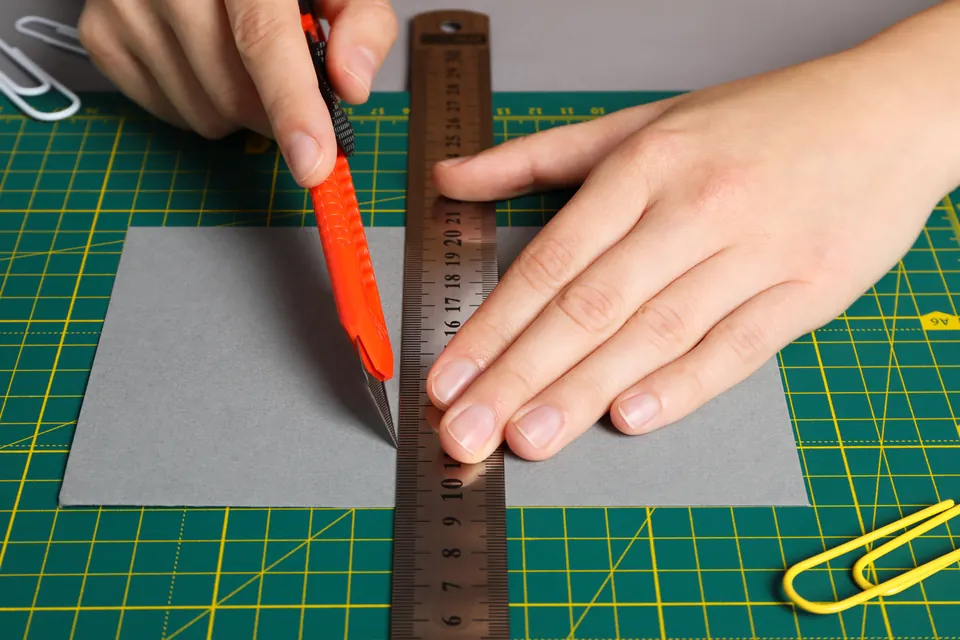
Trace the pattern onto foam and cut with a fresh, sharp blade held at a steady angle. Bevel the edges where pieces will meet.
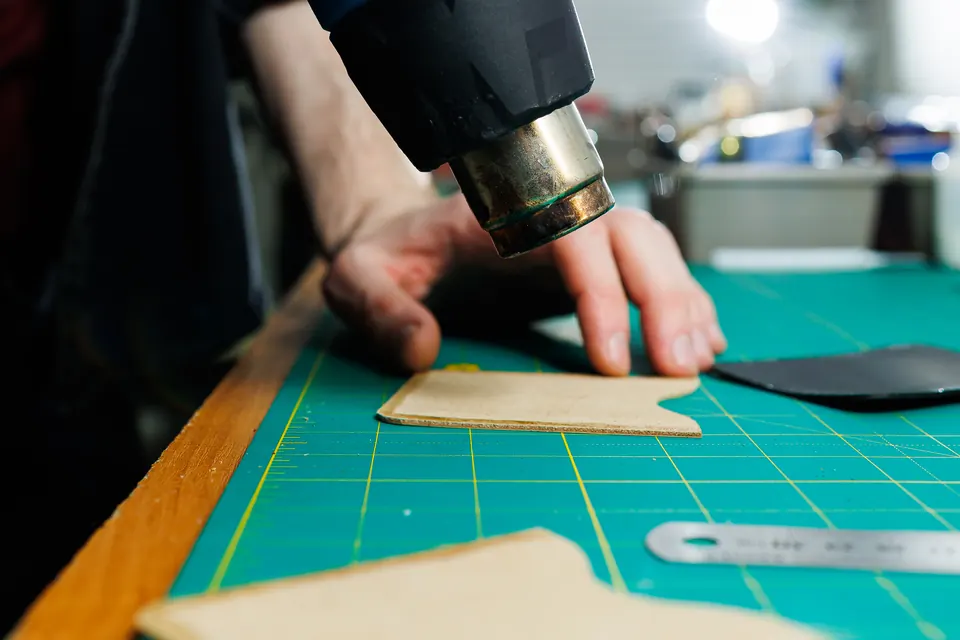
Heat the foam with a heat gun until it softens, then bend it over a knee, a bowl or the mannequin and hold it as it cools.
- Brush contact cement on both edges, wait until it is dry to the touch, then press them together. It grabs instantly.
- Add detail with a rotary tool or foam clay, then heat the whole piece once more to seal the foam's surface.
- Seal with a few light coats of Plasti Dip, paint a dark base, then rub on metallic wax with a finger for worn steel.
- Add straps and buckles to fit, and try the armor on long before the convention.
Watch out for
- Contact cement and Plasti Dip give off strong fumes. Work outside or with a fan blowing out, and wear a respirator made for organic vapors.
- Heating foam also gives off fumes. Keep the heat gun moving, never let foam scorch, and keep the air moving.
- A dull blade tears foam. Snap off a new section of blade often; it is the cheapest upgrade in the hobby.
- Rotary tools throw foam dust. Wear eye protection and a dust mask, and keep long hair tied back.
- Armor that looks great on a mannequin can pinch when walking or sitting. Wear it for an hour at home first.